If there's one food that does the most for a tight grocery budget, it might be dried legumes. Lentils, dried peas, chickpeas and beans are inexpensive, keep for a very long time, are high in protein and fibre, and form the base of comforting dishes from cuisines all over the world. Canada, and Saskatchewan in particular, is one of the world's biggest growers of lentils and dried peas.
Dried versus canned
Both are good choices:
- Dried legumes cost less per serving, often much less. One cup of dried beans makes about two to three cups cooked.
- Canned legumes cost more but are ready to use. Rinsing canned beans can reduce their sodium.
A practical approach is to cook dried beans in big batches when you have time and keep a few cans for busy nights.
Lentils: no soaking needed
Lentils are the easiest place to start because they cook quickly and need no soaking.
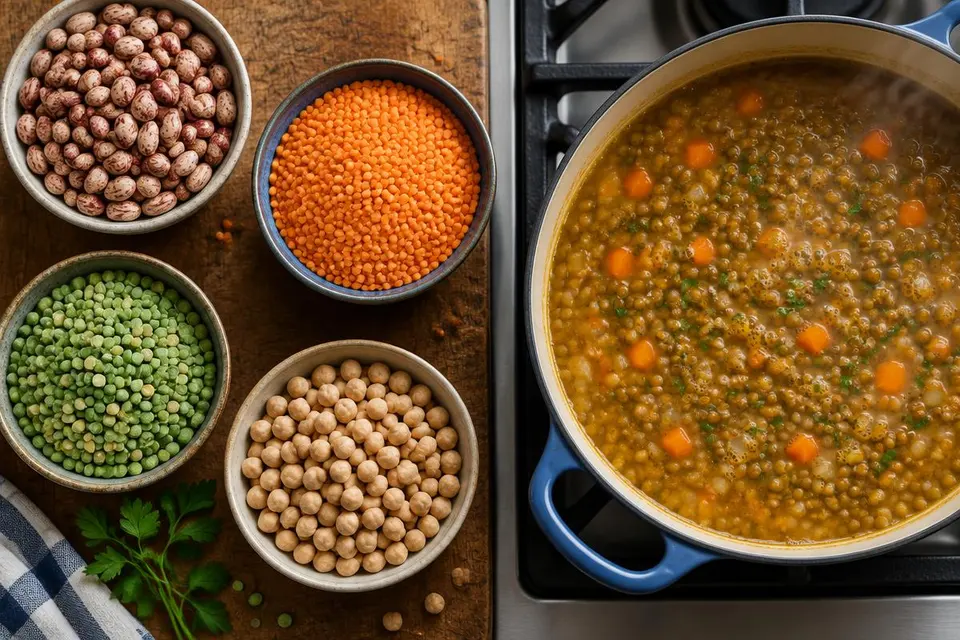
- Red and yellow lentils break down as they cook, which makes them ideal for soups, dals and thick sauces. Cooking time is usually about 15 to 20 minutes.
- Green and brown lentils hold their shape better and suit salads, side dishes and meat-stretching. They usually take about 20 to 30 minutes.
- Split peas are great in classic pea soup and take a bit longer.
Rinse lentils and pick out any small stones before cooking.
How to cook dried beans
Larger beans, like black beans, kidney beans and chickpeas, benefit from soaking:
- Rinse and sort the beans.
- Soak in plenty of water for 8 hours or overnight. For a quick soak, bring them to a boil for a couple of minutes, then let them sit covered for an hour.
- Drain and rinse.
- Simmer in fresh water until tender, usually one to two hours depending on the bean.
- Salt toward the end of cooking or in the cooking water, according to your preference.
Pressure cookers and slow cookers make this easier. Note: red kidney beans must be boiled hard for at least 10 minutes before slow cooking, because undercooked kidney beans contain a natural toxin that proper boiling destroys.
Storing legumes
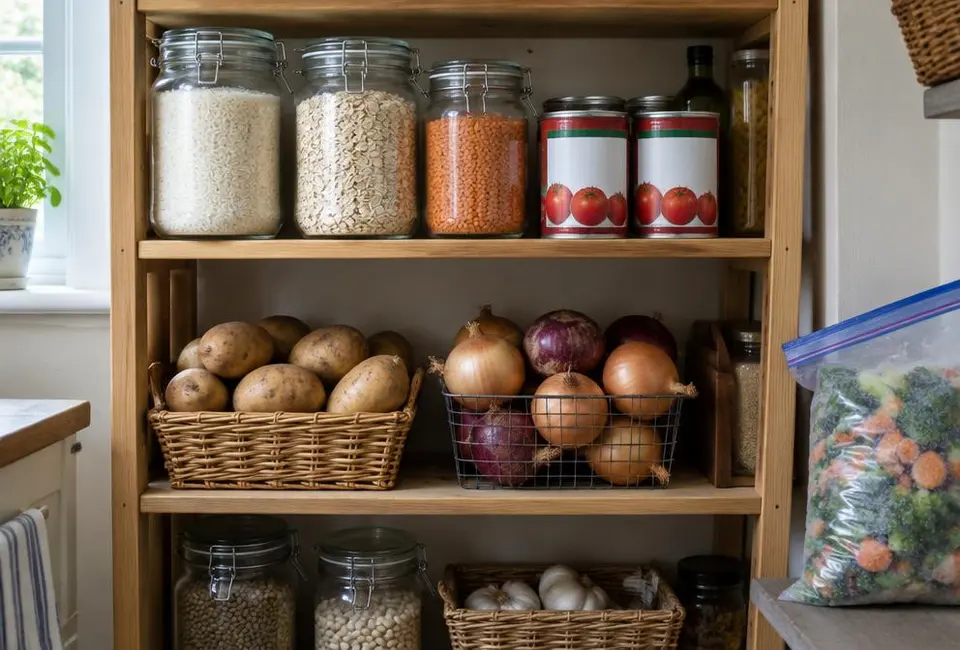
- Dried: keep in an airtight container in a cool, dry cupboard. They last a long time, though older beans can take longer to soften.
- Cooked: refrigerate in their cooking liquid for a few days, or freeze in portions about the size of a can for months.
Easy meals built on legumes
- Red lentil soup with onion, carrot, cumin and lemon.
- Chili with beans, or half beans and half ground beef.
- Lentil sloppy joes or lentil-beef tacos.
- Chickpea curry with canned tomatoes and spinach.
- Hummus made from cooked chickpeas, garlic and lemon.
- Bean and cheese burritos for the freezer.
- Classic split pea soup with a ham bone or smoked sausage.
- Lentil shepherd's pie with mashed potato topping.
Getting family on board
If your household is used to meat at every meal, start by mixing. Replace a quarter or a half of the ground meat in tacos, chili or pasta sauce with cooked lentils. Most people barely notice, and the dish gets cheaper and higher in fibre. Pureed red lentils also disappear into tomato sauces.
A note on digestion
Some people find beans cause bloating at first. Starting with smaller portions, rinsing canned beans, discarding soaking water and eating legumes more regularly usually helps the body adjust.
Legumes and the weekly plan
Pantry staples like lentils and beans make it easy to fill gaps in a week of sale-based meals. When ShoppedOut suggests a week of dinners, adding a lentil soup or a bean chili built from your cupboard is a simple way to bring the weekly total down even further.