Most of us shop as if every sale is a one-time chance. Grab it now or miss out. But when we looked at six weeks of flyer prices from chains across Canada, a different picture showed up: sales come around again, and faster than most people think.
What the archive shows
We track each product's lowest advertised sale price every week, chain by chain. Then we measured how long it took for the same item at the same chain to show up on sale again.
- The typical gap is about two weeks. Across produce, meat, pantry, frozen, cheese, bread and drinks, the middle value was two weeks between sales.
- The average gap is about two and a half weeks. Some items rotate faster, some slower, but very few disappear for months.
- Candy and cleaning products wait a little longer, with a typical gap closer to three weeks.
- Some items stay on sale back to back. Produce had the most items advertised two weeks in a row, followed by pantry groceries and meat.
In other words, if you miss a deal on chicken thighs or pasta this week, there's a good chance a similar price returns within a few flyers.
Why this changes how you shop
Stores rotate their front-page deals to keep you coming back. Ground beef leads one week, pork chops the next, chicken the week after. Once you know the rhythm, you can stop panic-buying and start planning.
Stock up when:
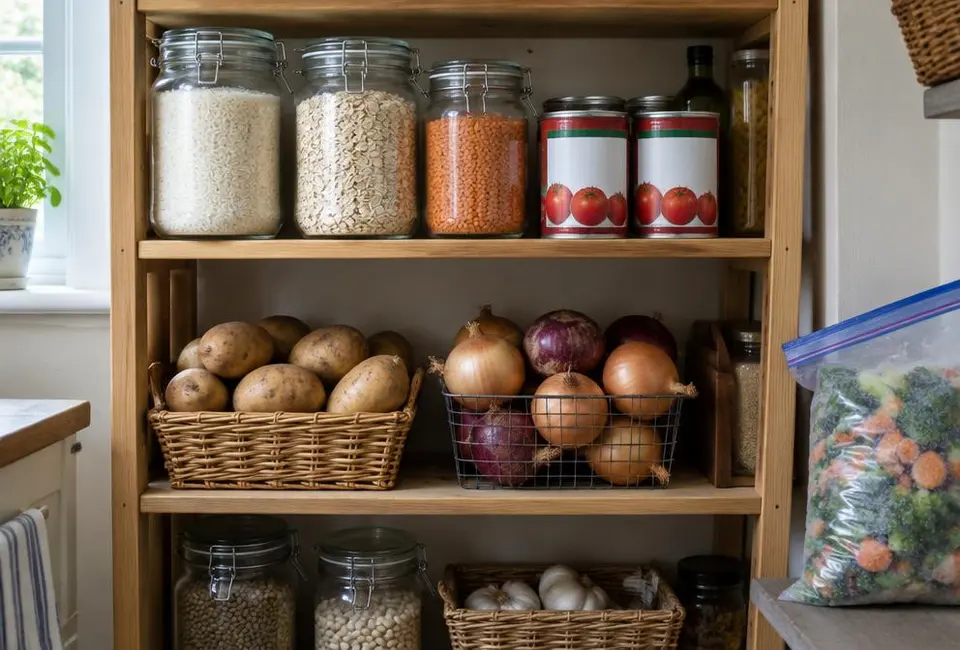
- The item keeps well (frozen meat, canned goods, pasta, rice, butter in the freezer).
- The price is the lowest you've seen in the last month or so.
- You'll realistically use it before the next sale comes around, roughly three weeks.
Wait when:
- The item spoils fast (berries, salad greens, soft bread).
- The "sale" is only a few cents off.
- Your freezer or pantry is already full. Food you throw away cancels the saving.
The three-week rule
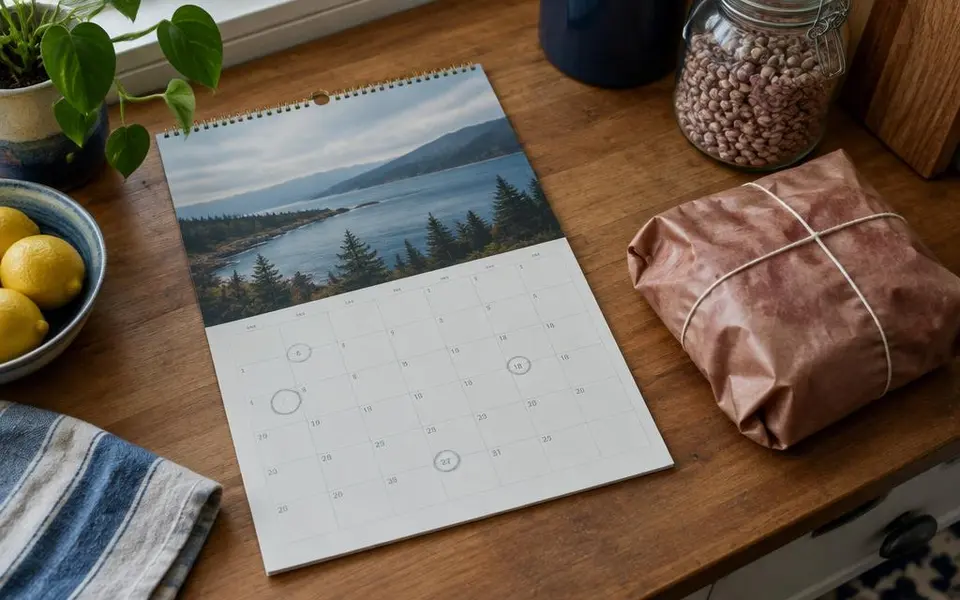
Here's a simple habit built on what we found. When something you buy often is on a good sale, buy enough to last about three weeks, not three months. That covers the typical gap until the next sale, without tying up money or freezer space.
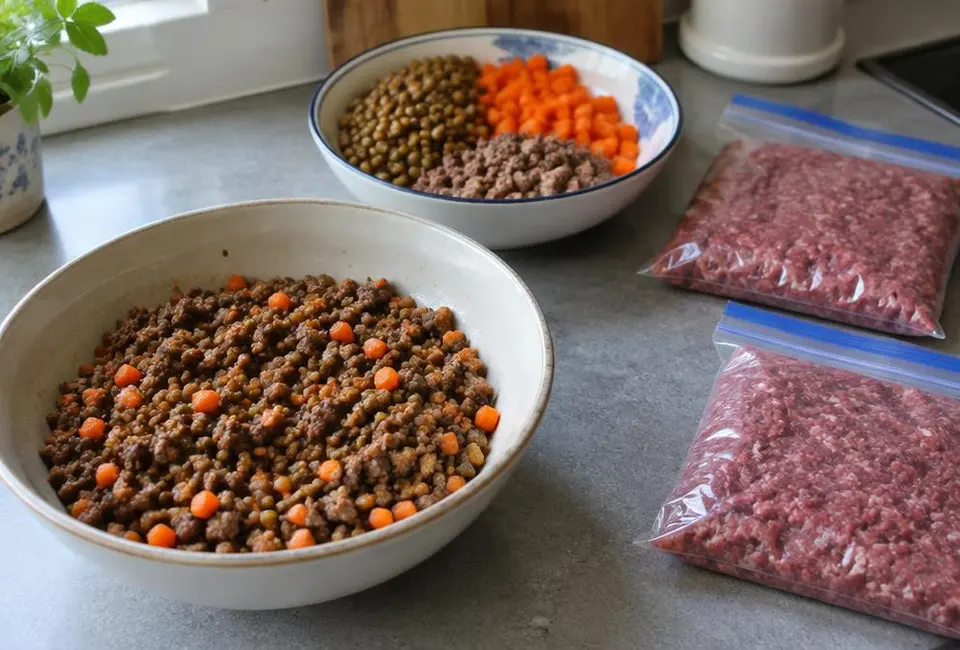
For example, if your household eats ground beef twice a week, two good sale packs plus a little extra will usually carry you to the next deal. Buying ten packs feels thrifty, but it locks money into one item while other sales pass by.
Watch for the real low
Not every sale is equal. The same product can show very different sale prices from one week to the next. A "sale" one week might be a modest discount, while two weeks later the same item is advertised much lower. Keeping a rough mental note of the best price you've seen, or letting an app remember it for you, helps you spot the genuinely good weeks.
ShoppedOut already uses this history behind the scenes. When we show a previous price, it comes from a real past flyer, and older prices are marked so they're never counted as savings.
Putting it together
- Check this week's flyers for the items you buy most.
- If one is at a price you recognize as low, buy about three weeks' worth.
- If it's only a small discount, skip it. It will likely be back.
- Plan meals around what's on sale, and let the rest wait for its turn.
The goal isn't to catch every deal. It's to stop paying full price for things that go on sale every few weeks anyway.
About these numbers
Every figure here comes from ShoppedOut's own archive of weekly flyer sale prices across Canadian grocery chains, collected from late August to early October 2026. It only counts items we captured from flyers, so it reflects what was advertised, not every shelf price. Prices and percentages are examples to help you plan, not a promise of what your local store will charge next week.