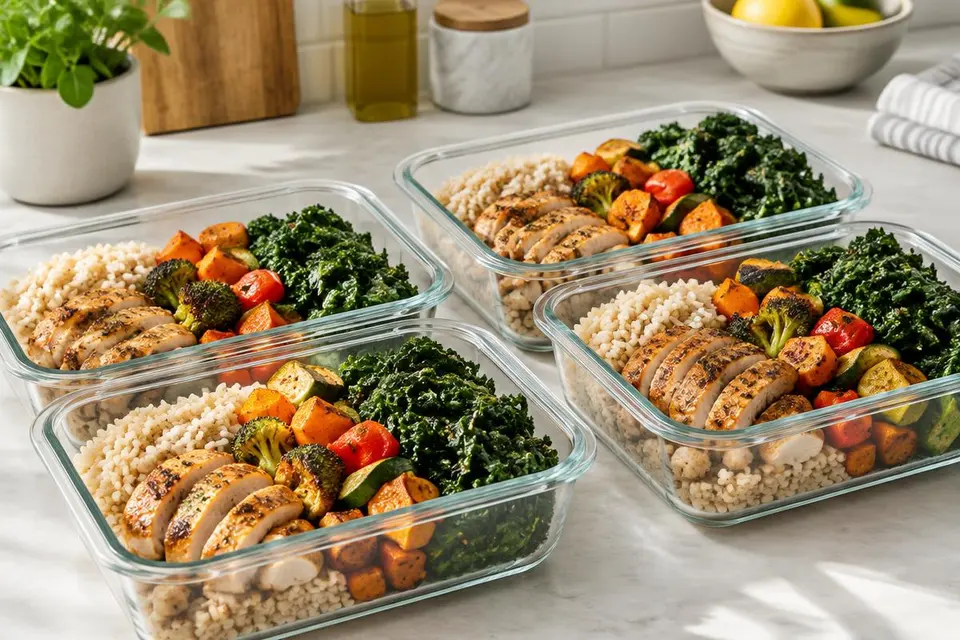
Buying lunch near work feels small in the moment. But a $15 lunch five days a week is about $75 a week, or more than $3,000 a year. A packed lunch made from groceries often costs a fraction of that. Even switching three days a week makes a noticeable difference to your budget.
Do the maths for your own lunches
Write down what you spent on workday lunches, coffees and snacks last week. Multiply by the number of weeks you work in a year. Then estimate what a homemade lunch costs: a portion of rice, some vegetables, a protein and a sauce often comes to a few dollars. The difference is your potential savings, and seeing it in black and white is strong motivation.
Five easy lunch formulas
Rather than following a fixed recipe, use formulas you can fill with whatever is on sale.
1. Grain bowls. Rice, quinoa or couscous, plus a protein (chicken, beans, eggs or tofu), roasted or raw vegetables, and a sauce. Change the sauce and you change the meal.
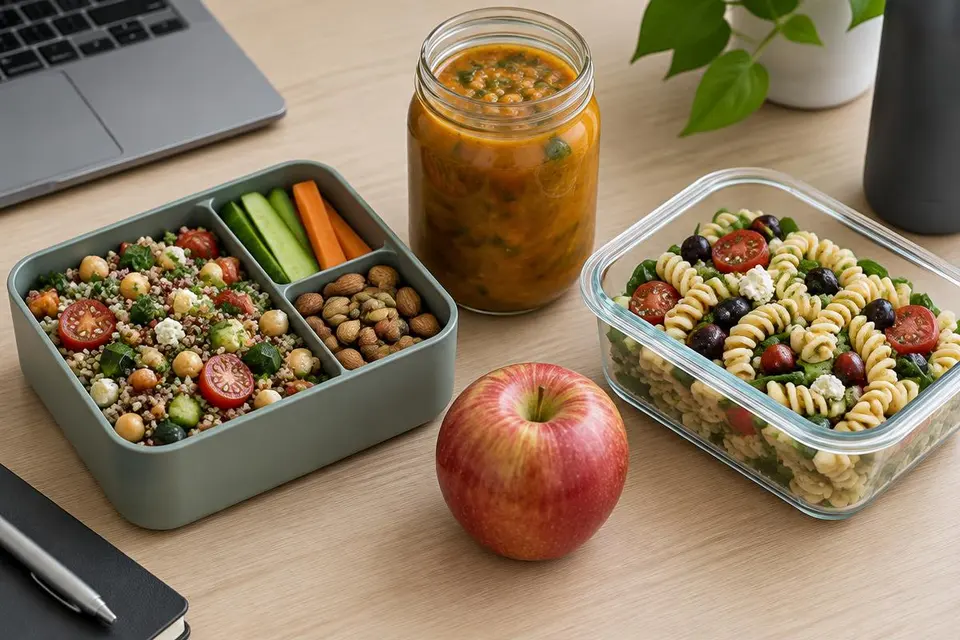
2. Big salads. Hearty greens like kale or cabbage hold up for days. Add beans or chickpeas, a grain, cheese or nuts, and pack the dressing separately.
3. Soups and stews. Make a big pot on the weekend. Pack in a thermos or a microwave-safe container. Lentil, minestrone and chicken noodle all freeze well.
4. Wraps and sandwiches. Prep the fillings ahead, then assemble in the morning so the bread doesn't get soggy.
5. Leftovers. The simplest lunch of all. Cook one or two extra portions at dinner and pack them straight away.
A simple weekly lunch prep
On Sunday:
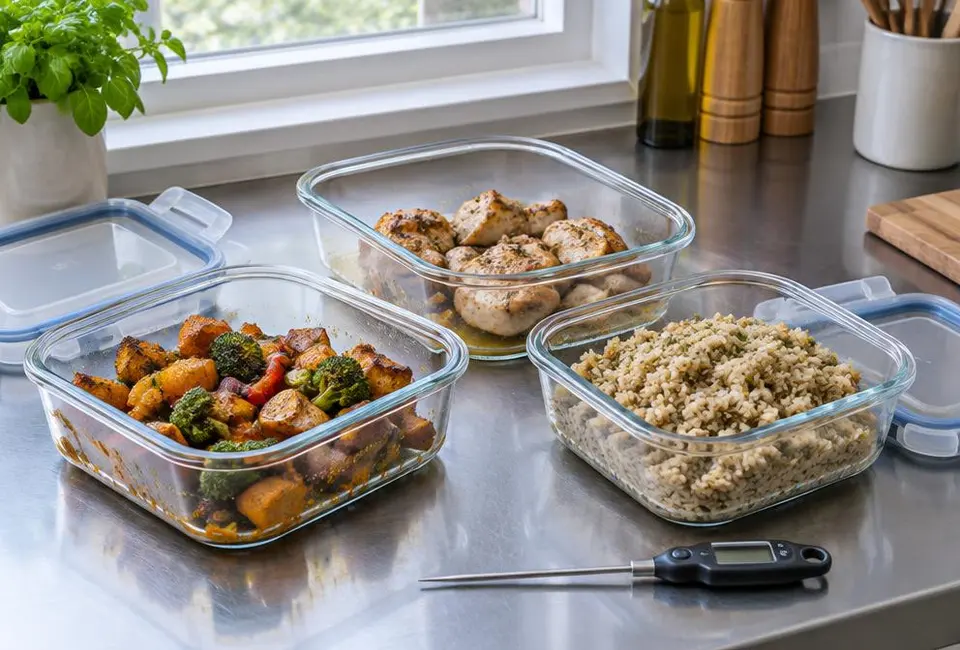
- Cook a large pot of grains.
- Roast a tray of vegetables.
- Cook a protein, such as baked chicken thighs or a pot of beans.
- Make one or two sauces or dressings.
- Wash and chop raw vegetables and fruit for snacks.
Pack three days of lunches right away and keep the rest of the parts in the fridge, or freeze a couple of portions for later in the week.
Keeping lunches safe
Food safety matters when lunches sit in a bag for hours:
- Refrigerate promptly. Cool cooked food quickly and keep it in the fridge at 4°C (40°F) or below.
- Use cooked food within about two to four days, following Canadian food safety guidance. Freeze anything you won't eat in that time.
- Keep it cold. If there's no fridge at work, use an insulated bag with an ice pack.
- Reheat until steaming hot throughout, especially rice and meat.
Making packed lunches enjoyable
The goal is a lunch you prefer to the food court. A few tips:
- Vary the sauces. Peanut sauce, salsa, pesto and lemon-garlic yogurt all make the same base taste different.
- Add crunch. Pack toasted seeds, crackers or crisp vegetables separately.
- Use good containers. Leak-proof containers and a decent lunch bag make the habit easier.
- Plan one treat. A favourite snack or piece of fruit makes lunch something to look forward to.
Don't forget coffee and snacks
Lunch isn't the only workday expense. A daily café coffee and an afternoon snack can rival the cost of lunch itself. Brewing coffee at home and packing snacks like fruit, yogurt, nuts or homemade muffins brings the total savings up even further.
Build lunches from the flyer
Plan your lunch protein and vegetables around what is on sale, the same way you plan dinners. When ShoppedOut builds your weekly meal plan, cooking a little extra of each dinner gives you ready-made lunches at no extra planning cost.
Start with two days
You don't need to pack lunch every day right away. Start with two days a week, notice the savings, and build from there.