Canadian grocery prices remain far higher than a few years ago, even though the pace of increases has slowed. Here is what the latest numbers actually say, and what your family can do about them.
What Statistics Canada reported
According to Statistics Canada, food purchased from stores rose 2.8% year over year in August 2026. It was the first time since July 2024 that grocery inflation ran below the overall Consumer Price Index, which rose 3.0%. Dairy showed the biggest slowdown.
Over the longer term, grocery prices in August 2026 were still roughly 29% higher than in August 2021.
What the Food Price Report forecasts
Canada's Food Price Report 2026, produced by Dalhousie University's Agri-Food Analytics Lab and partner universities, forecasts overall food prices rising 4% to 6% in 2026.
- A family of four could spend up to $17,571.79 on food this year.
- That is an increase of as much as $994.63 over the previous year.
- Food prices are about 27% higher than five years earlier.
Provinces to watch
Alberta, Ontario, Quebec, Nova Scotia and New Brunswick are expected to see increases above the national average.
Slower inflation is not lower prices
A lower inflation rate means prices are rising more slowly, not falling. The cumulative increase is why budgets still feel tight even when headlines sound better.
What you can control
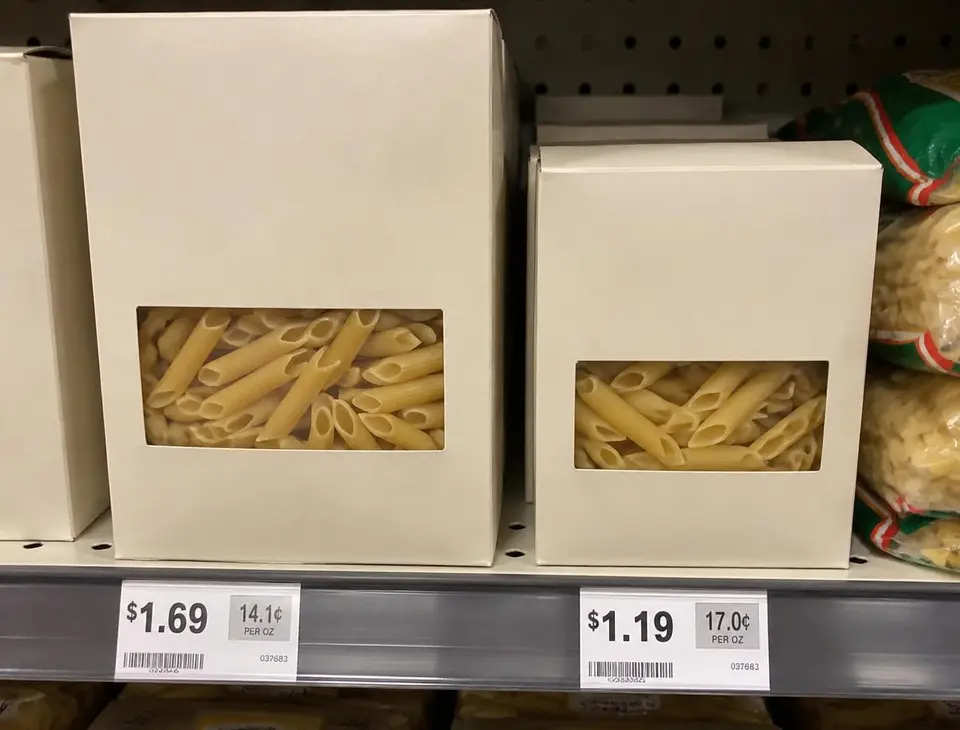
- Compare unit prices, not sticker prices.
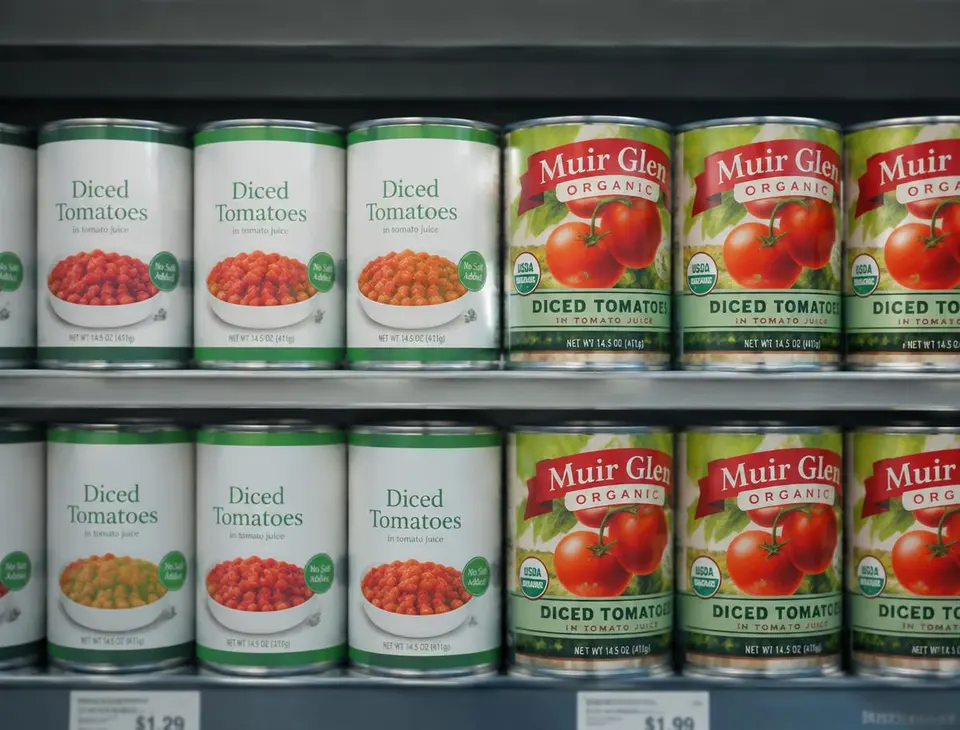
- Switch to store brands in pantry, dairy and frozen aisles.
- Plan meals after you see the flyer, around two to four sale proteins.
- Shop one store that gives the lowest total for your list.
- Cut waste by freezing extras and planning leftovers.
Sources
- Statistics Canada, Consumer Price Index, August 2026 (released September 14, 2026)
- Canada's Food Price Report 2026, Agri-Food Analytics Lab, Dalhousie University