If you look at a typical grocery receipt, the meat, fish and cheese usually make up a large share of the total. That makes protein the best place to look for savings. The good news is that some of the most affordable foods in the store are also excellent protein sources. Canada's Food Guide encourages choosing protein foods more often from plants, and those happen to be some of the cheapest options too.
How to compare protein costs
Price per kilogram doesn't tell the full story, because foods contain very different amounts of protein. A useful habit is to think in terms of cost per serving. Roughly speaking:
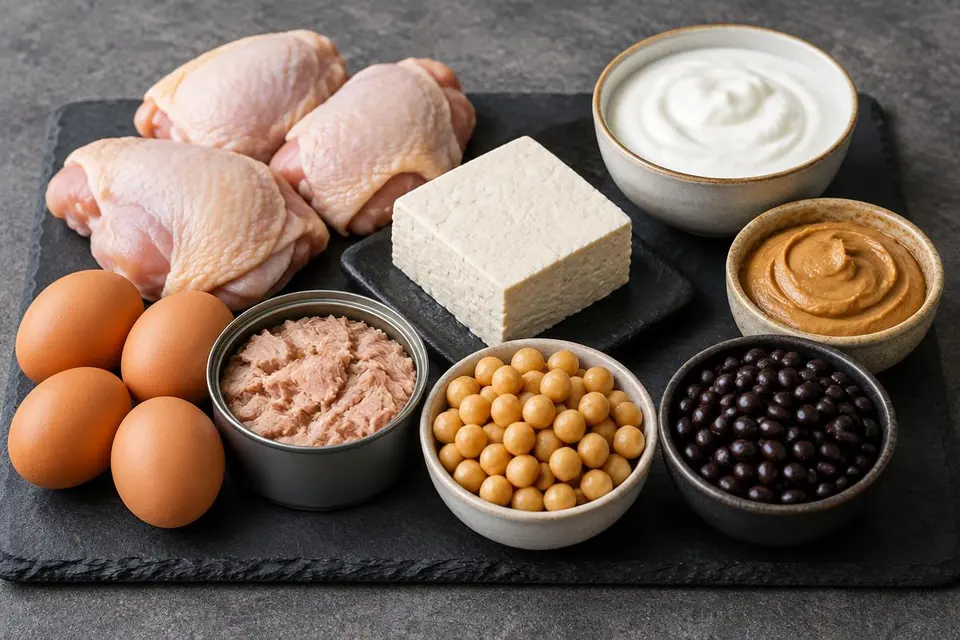
- a large egg has about 6 g of protein;
- 100 g of cooked chicken has about 25 to 30 g;
- a cup of cooked lentils has about 18 g;
- two tablespoons of peanut butter have about 7 to 8 g;
- 100 g of firm tofu has about 10 to 15 g, depending on the brand.
Nutrition labels list protein per serving, so you can check exact numbers in the store. Divide the package price by the number of servings to compare.
Budget protein all-stars
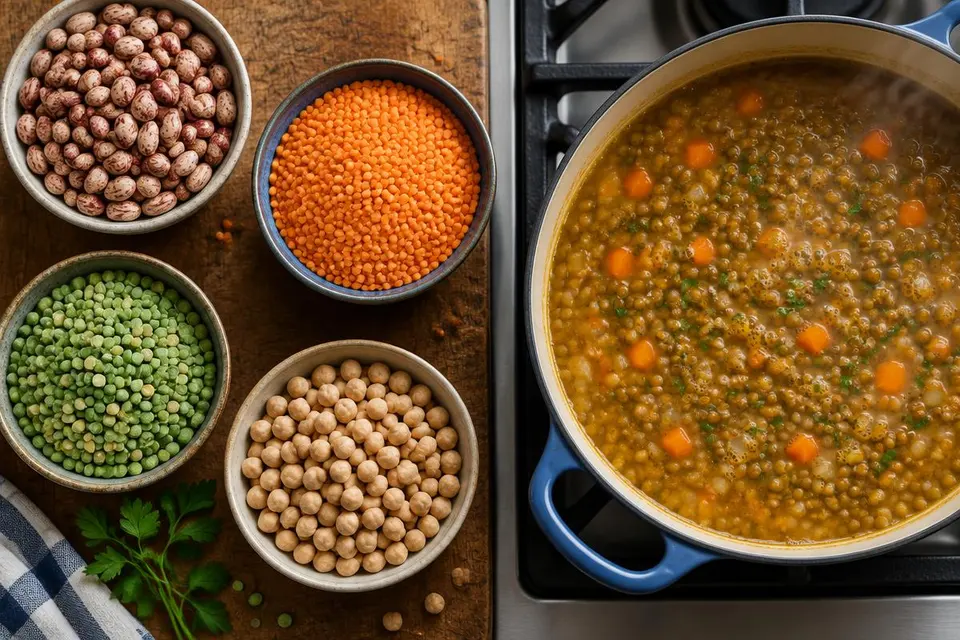
Dried lentils and split peas. Canada is one of the world's largest growers of lentils and peas, and they are among the cheapest protein foods per serving. Red lentils cook in about 15 minutes and need no soaking.
Dried and canned beans and chickpeas. Dried beans are cheapest; canned beans cost more but save time. Both are versatile in chili, soups, salads and dips.
Eggs. Even when egg prices rise, eggs remain one of the most affordable complete proteins. Breakfast-for-dinner is a classic budget meal for a reason.
Peanut butter. Shelf-stable, filling and inexpensive per serving. Natural peanut butter often has a simpler ingredient list for a similar price.
Tofu. Often cheaper per kilogram than meat, and it takes on whatever flavour you cook it with.
Canned fish. Canned tuna, salmon and sardines are good value, especially when on sale, and keep for a long time.
Milk and plain yogurt. A large tub of plain yogurt costs much less per serving than single cups and works for breakfast and sauces.
Getting the best value from meat
Meat can still fit a tight budget if you buy smart:
- Choose bone-in, skin-on cuts. Chicken thighs and drumsticks usually cost less per kilogram than boneless breasts.
- Buy whole and break it down. A whole chicken often costs less per kilogram than parts, and the bones make stock.
- Pick cheaper cuts for slow cooking. Pork shoulder, beef blade or chuck become tender in a slow cooker or oven.
- Watch for markdowns. Meat near its best-before date is often reduced. Cook or freeze it the same day.
- Let the flyer decide. Meat prices change a lot week to week. Build dinners around whatever meat is on sale.
Stretching protein further
You don't need a big slab of meat on every plate. Some easy ways to stretch it:
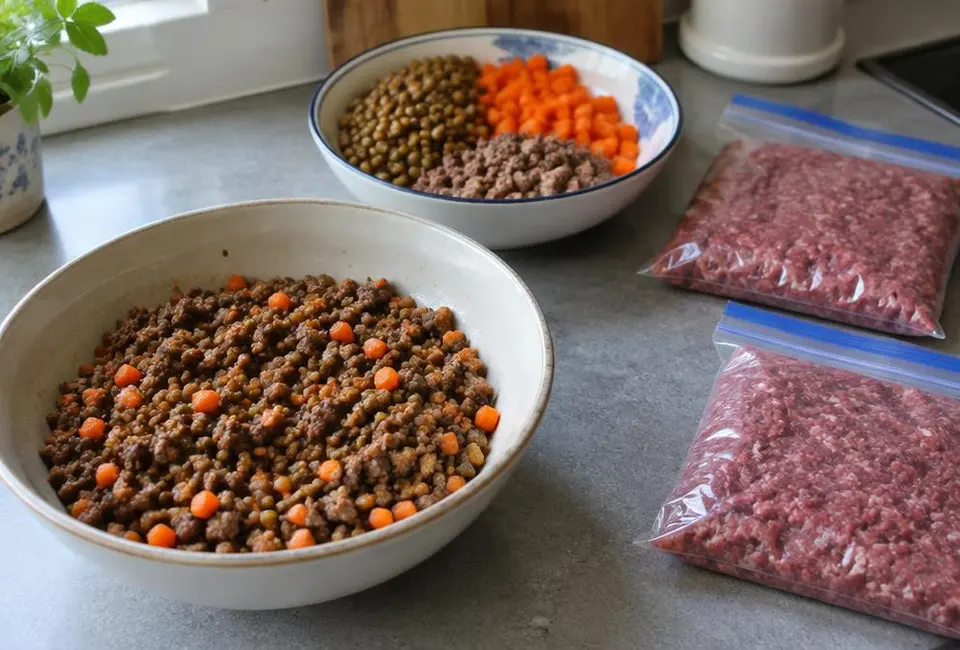
- Mix lentils or beans into ground meat for tacos, chili and pasta sauce.
- Use meat as a flavouring in stir-fries, soups and fried rice instead of the centrepiece.
- Plan one or two meatless dinners a week using eggs, beans or tofu.
- Cook a large roast and use leftovers in sandwiches, wraps and bowls.
Sample budget protein dinners
- Red lentil curry with rice.
- Black bean and cheese quesadillas.
- Egg fried rice with frozen vegetables.
- Baked chicken drumsticks with roasted potatoes.
- Tuna pasta with peas and lemon.
- Tofu and vegetable stir-fry.
Use sales and your freezer together
When meat or fish goes on deep sale, buy extra if you have freezer space. Portion it into meal-sized bags, label with the date and freeze. Dried legumes don't need any special storage beyond a dry cupboard.
ShoppedOut highlights protein deals at stores near you and suggests meals that use them, so you can see at a glance which protein is the best buy this week.