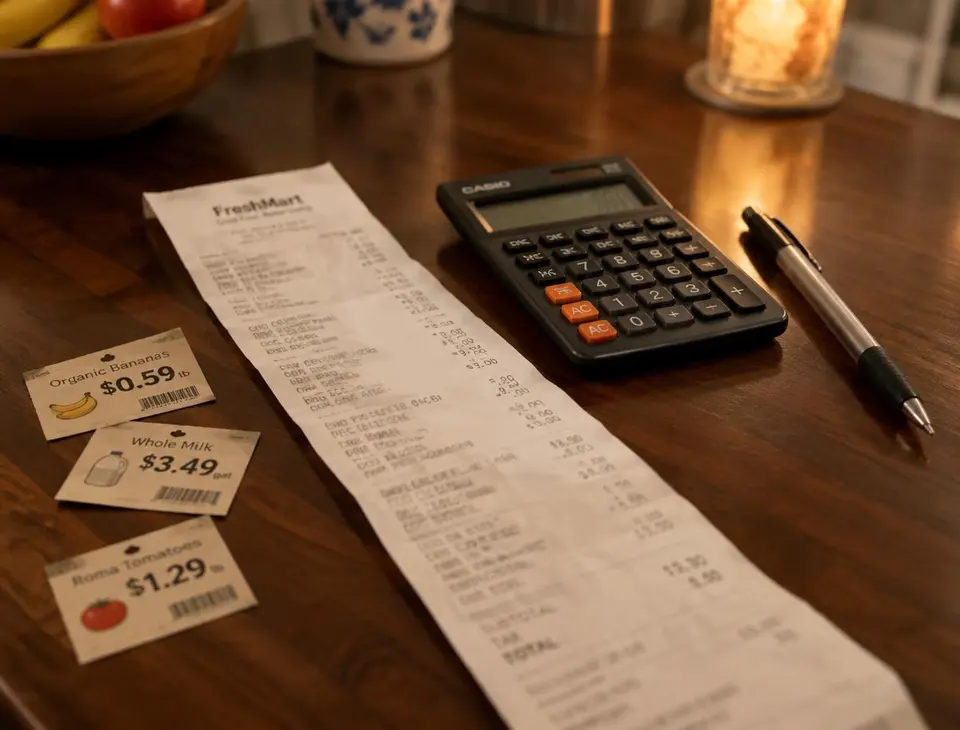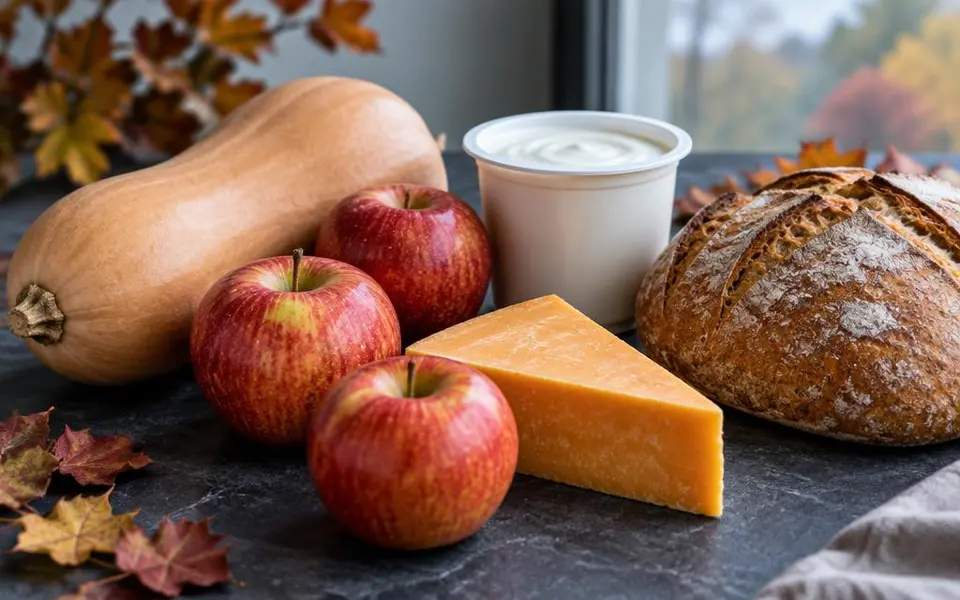
Back-to-school and the start of fall are when many families reset their grocery routine. So we asked a simple question: did sale prices move between early September and the first days of October?
How we compared
We took every product that was advertised on sale at the same chain in both periods: the first half of September, and the last week of September into early October. For each one we compared the average sale price, and counted whether it got cheaper (by more than 3%), pricier (by more than 3%), or stayed about the same.
That gave us thousands of matched pairs, from bananas to frozen pizza.
The big picture: mostly steady
The most common result in every category was no real change. The typical item's sale price was the same in early October as it was in early September. That's good news: it means flyer sales aren't quietly creeping up week after week.
But underneath that steady middle, some aisles leaned one way.
Leaning cheaper
- Cheese: about one in three matched items got cheaper, versus about one in four that got pricier.
- Drinks: roughly 36% cheaper versus 30% pricier.
- Yogurt: slightly more items fell than rose.
- Frozen foods: about 29% cheaper versus 26% pricier.
- Dairy (milk, cream): about 24% cheaper versus 19% pricier.
If you rely on cheese, yogurt and frozen meals, early fall has been a reasonable time to stock the fridge and freezer.
Leaning pricier
- Snacks: about 36% of items got pricier, versus 23% that got cheaper. Chips and crackers are often featured heavily in summer, and those deep deals faded.
- Pantry staples: about 35% pricier versus 20% cheaper.
- Produce: slightly more items rose (33%) than fell (28%), which fits the end of the local summer harvest.
- Bread: a small tilt toward higher prices.
About even
Meat was almost perfectly balanced: about a quarter cheaper, a quarter pricier, and half unchanged. Meat sales rotate by cut rather than rising or falling as a group, which is why watching the front page each week matters more than any seasonal trend.
What to do with this
- Lean on dairy and frozen right now. These aisles have the best odds of a good sale price this fall.
- Go easy on snacks. Their summer deals have cooled. Buy only what you need until the next big promotion.
- Swap summer produce for fall produce. As berries and corn get pricier, apples, carrots, cabbage, potatoes and squash usually offer better value.
- Stock pantry items only at a real low. If pasta, rice or canned goods aren't at a price you recognize, wait. Most go back on sale within a few weeks.
We'll keep tracking these shifts as the archive grows, so future seasons can be compared side by side.
About these numbers
Every figure here comes from ShoppedOut's own archive of weekly flyer sale prices across Canadian grocery chains, collected from late August to early October 2026. It only counts items we captured from flyers, so it reflects what was advertised, not every shelf price. Prices and percentages are examples to help you plan, not a promise of what your local store will charge next week.