Rent, heat and transportation are hard to change in a hurry. Groceries are different. With a plan, most households can bring their food spending down within a couple of weeks without going hungry or eating the same thing every night. This guide walks through a routine that works even when the budget is very small.
Step 1: Pick a real number and write it down
Start with what you can actually spend this week, not what you wish you could. Look at last month's bank statement and add up every grocery trip, convenience store stop and takeout order. That total is your starting point. Then choose a weekly target a little lower than your average. A target you can hit is better than an ambitious one you abandon by Wednesday.
Keep the number somewhere you will see it: on your phone's lock screen, on the fridge or at the top of your shopping list. Seeing the number before you shop changes what goes into the cart.
Step 2: Shop your kitchen first
Before you make a list, open the fridge, freezer and cupboards. Write down anything that needs to be eaten soon and any staples you already have, like rice, pasta, canned tomatoes or frozen vegetables. A surprising number of meals are already sitting in most kitchens. Plan at least two dinners around food you already own, and you have cut this week's bill before leaving home.
Step 3: Build meals around cheap staples
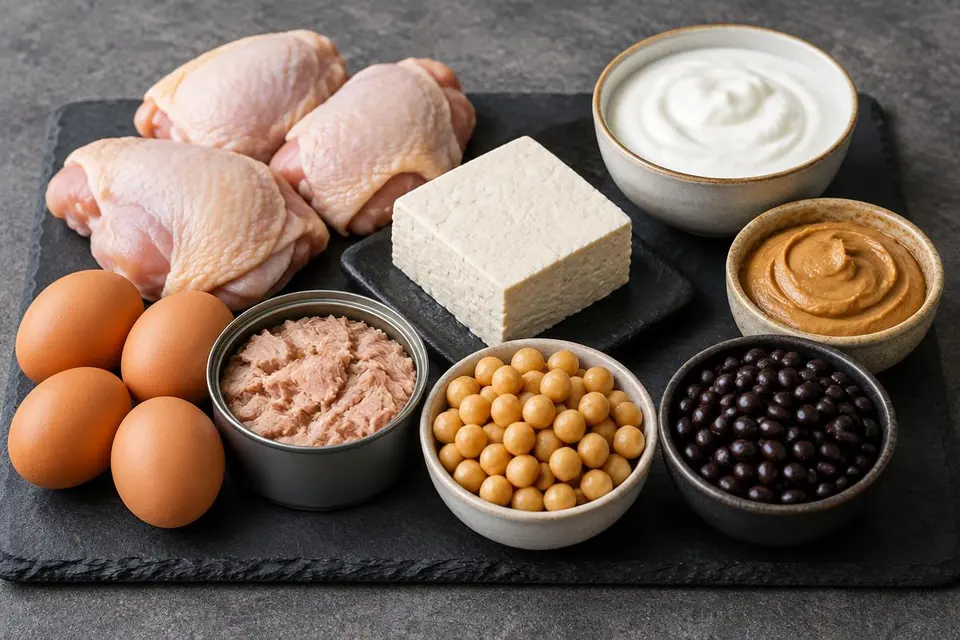
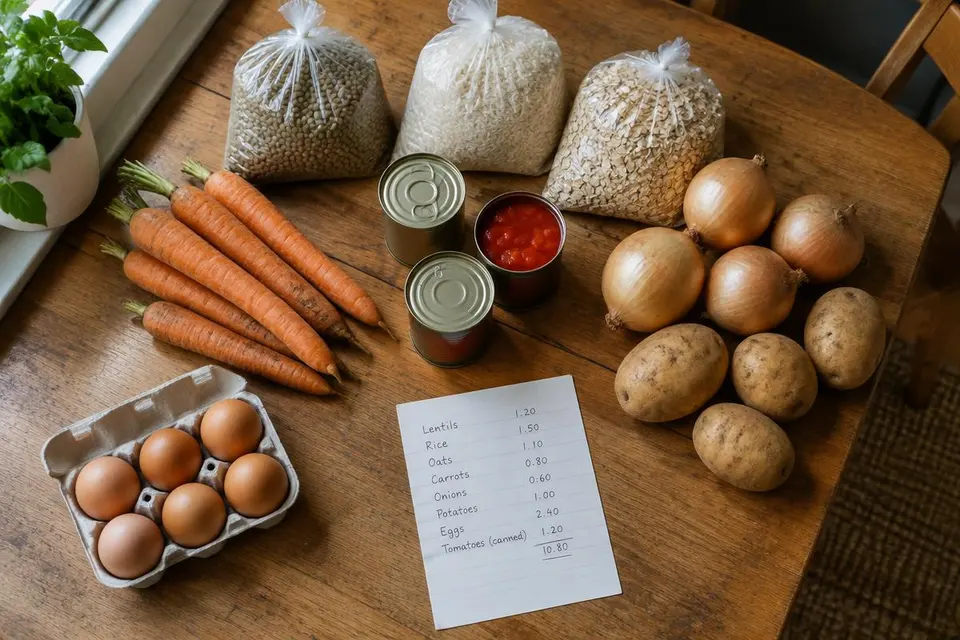
Some foods give you a lot of meals for very little money. Build most of your week from this short list:
- Grains: rice, oats, pasta, flour and bread.
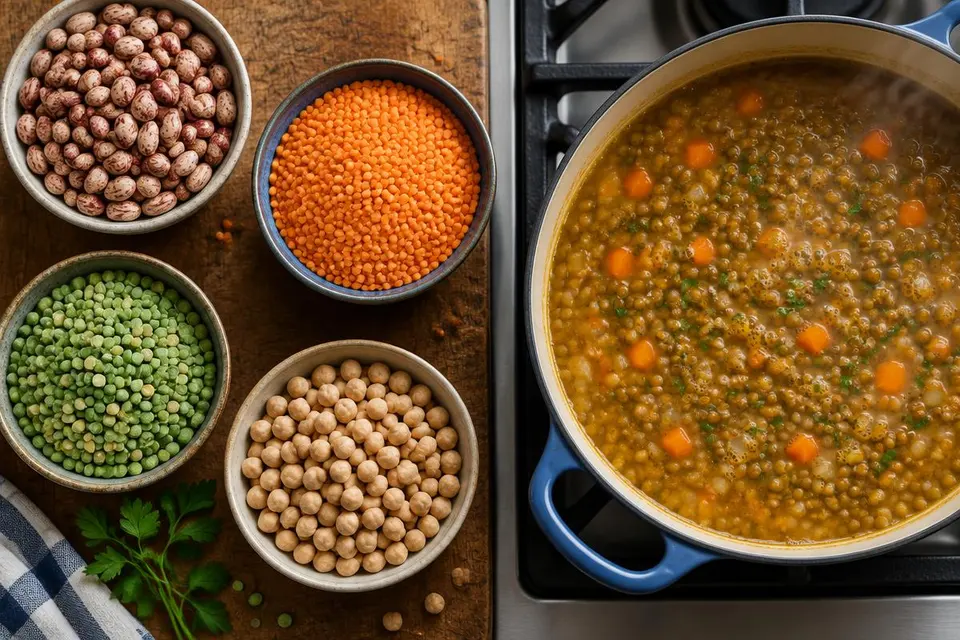
- Legumes: dried or canned beans, lentils and chickpeas.
- Eggs: one of the cheapest complete proteins in most stores.
- Hardy vegetables: carrots, onions, cabbage, potatoes and frozen mixed vegetables.
- Fruit that keeps: apples, bananas, oranges and frozen berries.
These staples are the base. Meat, cheese and fresh produce on sale become the flavour and variety on top.
Step 4: Let the flyer pick your protein
Meat and fish are usually the most expensive part of dinner, and their prices swing the most from week to week. Instead of deciding on chicken and then finding the price, check this week's flyers first and let the best deal decide. If pork loin is on sale, it becomes two dinners and a lunch. If ground beef is cheap, make chili and pasta sauce. ShoppedOut does this for you by ranking meals by how many of their ingredients are on sale at stores near you.
Step 5: Write one list, grouped by store section
A list grouped by produce, dairy, meat and pantry keeps you from wandering the aisles, and wandering is where unplanned spending happens. Put the price you expect next to each item if you can. When the running total reaches your weekly number, stop adding things and look at what can be swapped or skipped.
Step 6: Choose the store with the lowest total
The store with the best deal on one item is not always the cheapest overall. What matters is the total for your whole list. A store with cheap chicken and expensive everything else can cost more than a store with ordinary prices across the board. Comparing the total, not the headline deal, is the single biggest decision you make each week.
Common traps that drain a small budget
- Shopping hungry. Eat something first. Hungry shoppers buy more snacks and prepared food.
- Pre-cut and pre-washed produce. Convenience costs extra. A whole head of lettuce or a bag of whole carrots is almost always cheaper per gram.
- Single-serve packs. Yogurt cups, chip bags and juice boxes cost far more per serving than the large size divided at home.
- Too many trips. Each extra stop is a chance to pick up things you didn't plan for. Aim for one main trip a week.
- Ignoring the unit price. The shelf tag shows the price per 100 g or per unit. Use it to compare sizes and brands quickly.
A sample cheap week
Here is how the pieces fit together for a household of two:
- Monday: lentil and vegetable soup with bread.
- Tuesday: fried rice with eggs, frozen peas and carrots.
- Wednesday: pasta with a tomato sauce made from canned tomatoes and onions.
- Thursday: sale chicken thighs roasted with potatoes and cabbage.
- Friday: leftover chicken in wraps or quesadillas.
- Weekend: bean chili one day, breakfast-for-dinner pancakes and eggs the other.
Breakfasts are oatmeal or toast with peanut butter. Lunches are leftovers. Every dinner uses ingredients from the staples list plus one sale protein, which is exactly how the cost stays low.
When the budget is not enough
Sometimes no amount of planning stretches the money far enough. If you are skipping meals, local food banks, community fridges and school meal programs exist for exactly this situation, and using them is nothing to be embarrassed about. Many communities also have good food boxes that offer fresh produce at lower prices. Your municipality or 211 (call or text 2-1-1 in most of Canada) can point you to what is available nearby.
The routine in one line
Check what you have, let the flyers pick your protein, build the rest from cheap staples, write one list and shop at the store with the lowest total. Repeat it every week and it becomes automatic.