Grocery stores are carefully designed. Where products sit, what you see first and how prices are presented all influence what goes into your cart. None of this is a secret, and none of it is sinister: stores are businesses. But once you know the common techniques, it becomes much easier to buy what you came for and nothing more.
The long walk to the basics
Staples like milk, eggs and bread are often placed toward the back or sides of the store. To reach them, you pass many other products along the way. Every aisle you walk through is a chance for an unplanned purchase.
What to do: go straight to the sections on your list. If you only need milk, don't wander.
Produce and bakery at the entrance
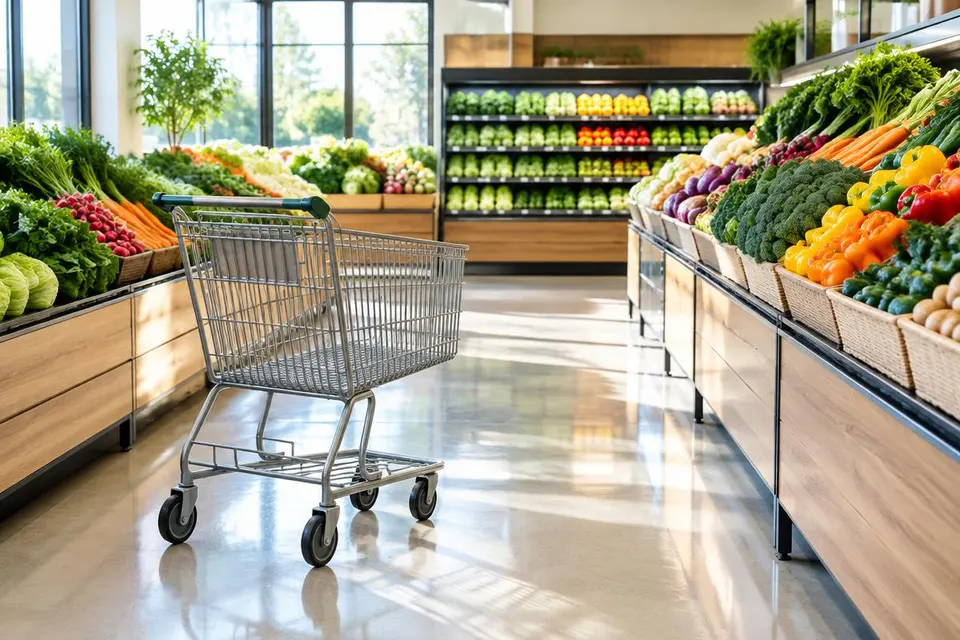
Many stores open into bright, colourful produce or a bakery with fresh-bread smells. It puts shoppers in a good mood and makes the store feel fresh, and people in a good mood tend to spend more.
What to do: enjoy it, but stick to the produce on your list.
Eye level is buy level
Products placed at adult eye level tend to sell best, and the most expensive or most promoted items often end up there. Cheaper store brands and larger value sizes are frequently on higher or lower shelves. Products aimed at children are often placed at a child's eye level.
What to do: look up and down before choosing. Compare the unit price on the shelf tag.
End-of-aisle displays
The displays at the ends of aisles, called end caps, catch your eye as you pass. Some hold genuine sale items. Others hold regular-priced items presented as if they were a deal.
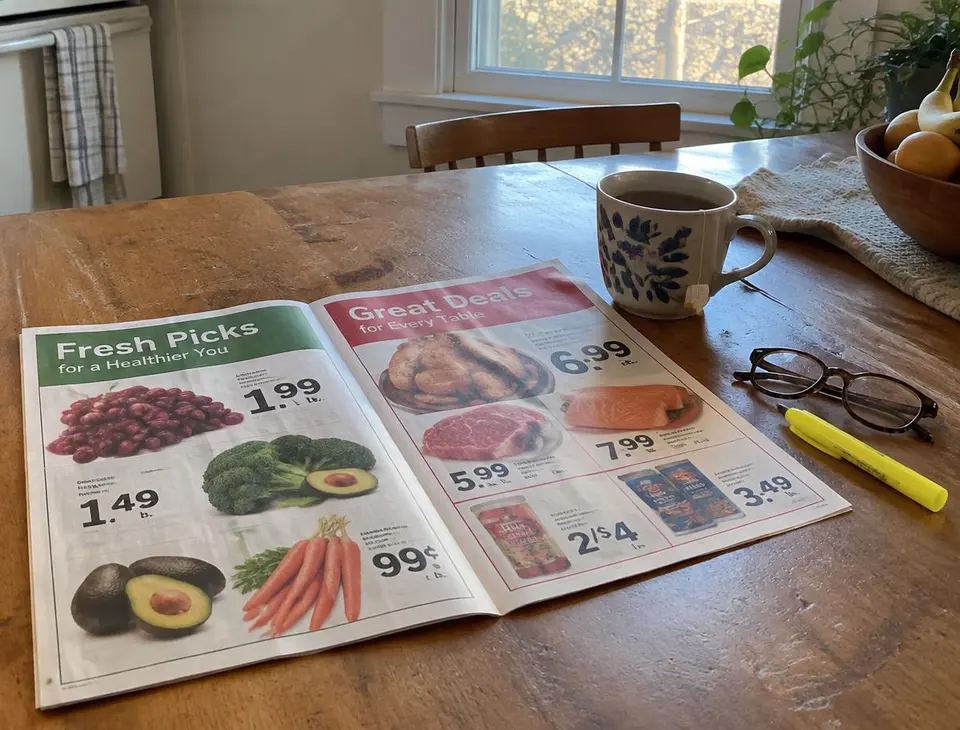
What to do: check the flyer and the price tag. A big display doesn't always mean a lower price.
Multi-buy offers
"2 for $5" or "3 for $10" deals encourage you to buy more than you need. In many stores you can buy just one at the per-item sale price, but the policy varies, so check the sign or ask. Sometimes the multi-buy price is a genuine deal; sometimes it's barely below the regular price.
What to do: divide the price and compare with the regular unit price. Buy the number you will actually use.
Price endings and anchoring
Prices ending in .99 feel lower than they are. A "was" price next to a sale price anchors your sense of value, even if the "was" price was only charged briefly.
What to do: round prices up in your head, and judge a deal by the unit price and your own price history, not the "was" price.
Checkout temptations
The checkout lane is lined with candy, drinks, magazines and small impulse items, placed exactly where you wait with nothing to do.
What to do: keep your eyes on your phone or your list. Better yet, use the two-hands rule for small trips: if you didn't bring a cart or basket, you can only buy what you can carry.
Big carts
A large cart looks empty with only a few items in it, and some shoppers feel a pull to fill it.
What to do: use a basket for small trips.
Smart shopping habits that beat the layout
- Shop with a list and a weekly budget number.
- Eat before you shop.
- Check the flyer first so you know which deals are real.
- Compare unit prices across brands and sizes.
- Shop less often. Fewer trips mean fewer chances for impulse buys.
- Leave the kids at home when you can, or give them a job like finding items on the list.
- Set a time limit. The longer you're in the store, the more you tend to buy.
Let the plan do the work
The best defence against store layout tactics is to arrive with decisions already made. When ShoppedOut builds your shopping list from a week of meals and tells you which store has the lowest total, the hard choices are done before you walk in. All you have to do is follow the list.