Produce prices move with the seasons. When a crop is being harvested nearby, there is more of it, it travels a shorter distance and stores often put it on sale. A few months later the same item may come from much farther away at a higher price. Shopping with the seasons is one of the simplest ways to eat more fruit and vegetables for less.
Harvest timing varies across Canada. The growing season in southern Ontario or British Columbia starts earlier and runs later than on the Prairies or in Atlantic Canada, so treat the months below as a general guide.
Spring (April to June)
Spring is the leanest season for local produce, since many fields are only being planted. Early local crops include:
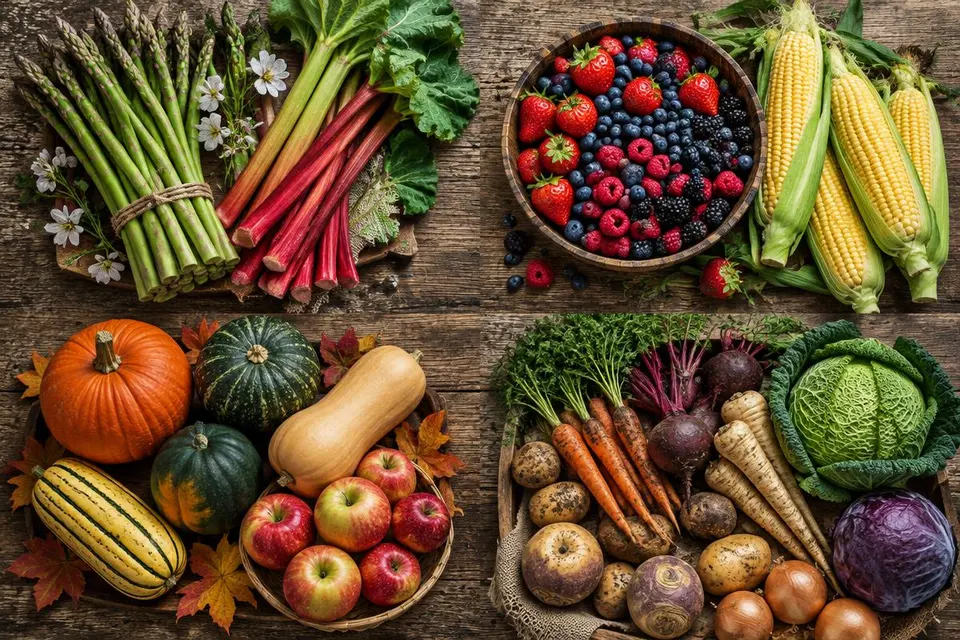
- Asparagus: usually from May into June. Buy it when the price drops and eat it within a few days.
- Rhubarb: late spring. Great in crumbles and sauces, and it freezes well.
- Greenhouse vegetables: cucumbers, tomatoes, peppers and lettuce grown in Canadian greenhouses are available much of the year and often well priced in spring.
- Radishes, green onions and spinach: among the first field crops.
In spring, lean on frozen fruit and vegetables and on storage crops like carrots and potatoes, which are often still good value.
Summer (July to August)
Summer is the season of plenty. Prices on local produce are usually at their lowest:
- Strawberries: late June into July. Buy extra and freeze them on a tray before bagging.
- Blueberries and raspberries: July and August.
- Sweet corn: typically August into September.
- Tomatoes, zucchini, beans, cucumbers and peppers: abundant through late summer.
- Peaches, cherries and plums: especially from Ontario and BC orchards.
This is the time to stock the freezer. Berries, sliced peaches, blanched green beans and corn cut off the cob all freeze well and save money through the winter.
Fall (September to November)
Fall brings the big harvest of hearty crops, and many of them store for months:
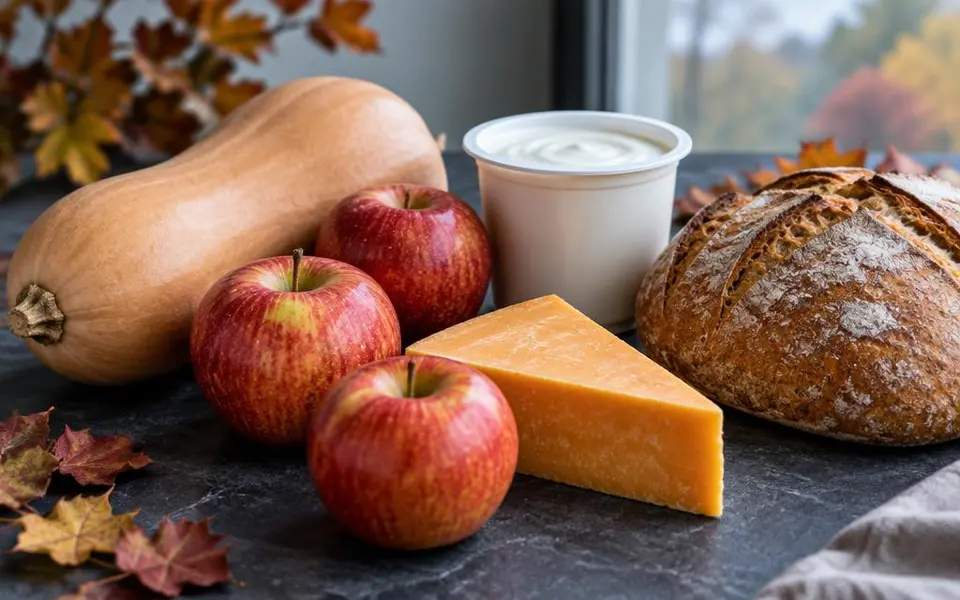
- Apples: September through November, with many varieties at their best price.
- Squash and pumpkin: butternut, acorn and spaghetti squash keep for weeks in a cool, dry place.
- Root vegetables: carrots, beets, parsnips, potatoes and onions.
- Cabbage, cauliflower, broccoli and Brussels sprouts: cool-weather crops that are often cheapest now.
- Pears and cranberries: cranberries freeze perfectly for later use.
Fall is a great time to buy storage vegetables in larger bags, as long as you have a cool spot to keep them.
Winter (December to March)
Few crops grow outdoors in a Canadian winter, but plenty of produce stays affordable:
- Storage crops: potatoes, carrots, onions, cabbage, squash, beets and apples from fall harvests.
- Citrus: oranges, mandarins and grapefruit are imported but usually at their best price and quality in winter.
- Greenhouse produce: cucumbers, tomatoes, peppers and lettuce.
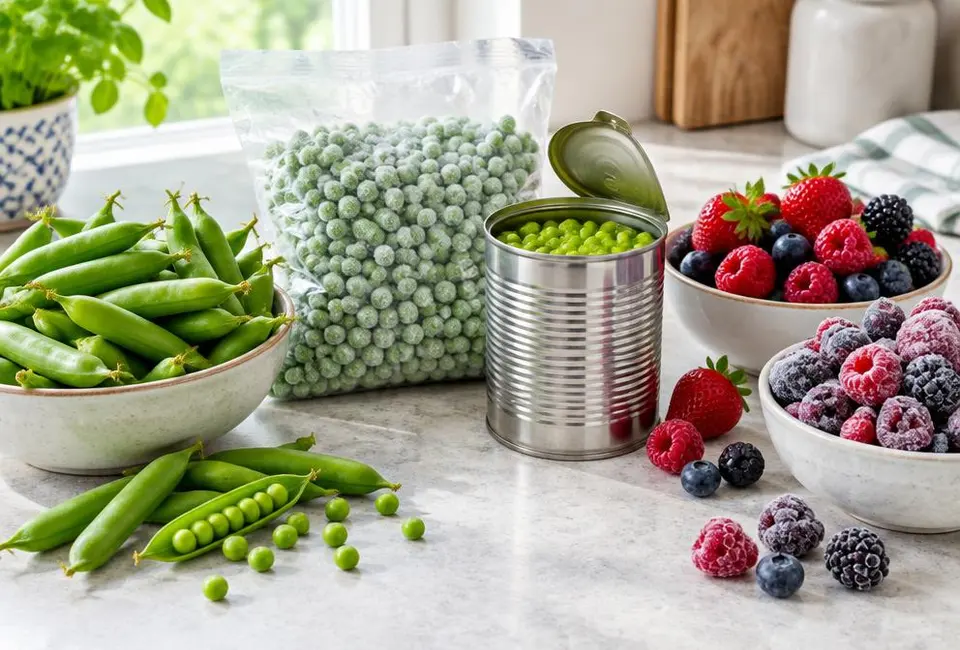
- Frozen and canned produce: often the best value per serving, and just as nutritious.
Winter is when the freezer stock you built in summer pays off.
How to shop the seasons
- Check the flyer's produce section first. Seasonal items on sale are often featured on the front page.
- Compare price per kilogram or per pound. Produce sold by weight can look cheap per 100 g and add up quickly.
- Buy whole, not cut. Whole squash or cabbage costs much less per kilogram than pre-cut packages.
- Plan meals around the bargain. If apples and squash are cheap, plan a squash soup and an apple crisp, rather than buying them on top of a fixed menu.
- Freeze the surplus. Most fruit and many blanched vegetables freeze well for months.
Storing seasonal produce so it lasts
- Keep potatoes, onions and squash in a cool, dark, dry place, but store potatoes and onions apart.
- Keep apples in the fridge to slow ripening, away from leafy greens.
- Wrap washed greens loosely in a towel inside a container.
- Store berries unwashed and rinse just before eating.
Seasonal eating and meal planning
When you plan meals with the seasons, your grocery bill and your menu both improve. ShoppedOut's meal ideas reflect what is on sale in local flyers each week, which naturally tracks the seasons: more berries and corn in summer, more squash and roots in fall. Let the season choose a few of your meals and the savings follow.