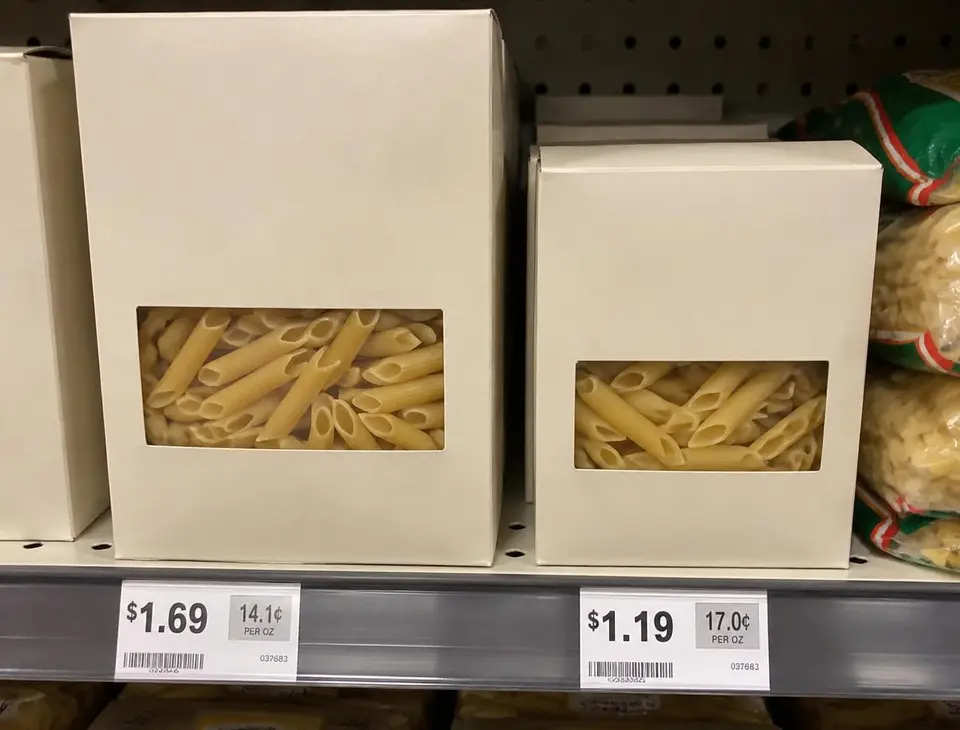
The bigger package nearly always looks like the better deal. Often it is. But bulk buying only saves money when you actually use what you buy before it goes bad, and when the price per unit really is lower. Here is how to decide.
Rule 1: Always check the unit price
The shelf tag in most Canadian grocery stores shows the price per 100 g, per 100 mL, per kilogram or per unit. Use it. Large packages are not always cheaper per unit. A sale on a smaller size can easily beat the regular price of the jumbo pack. Compare the unit prices side by side before you reach for the biggest one.
Rule 2: Be honest about how fast you use it
Ask yourself how long it will take your household to finish the package. A 10 kg bag of rice is a great deal for a family that eats rice four times a week. For someone who eats it twice a month, it is a lot of rice to store for a very long time. The true cost of bulk food includes whatever gets thrown out.
Rule 3: Count your storage space
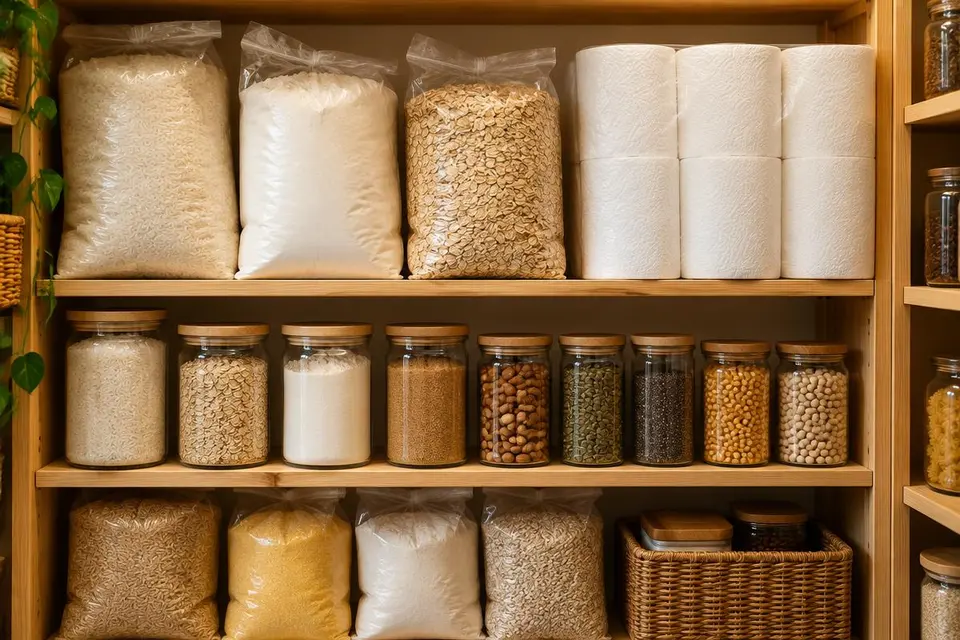
Bulk only works if you have somewhere to put it. Before buying large amounts, think about pantry shelves, freezer space and whether the food needs to be kept cool and dry. Stuffing a freezer so full that you can't see what's in it often leads to forgotten, freezer-burned food.
Items that are usually worth buying in bulk
These keep well and get used steadily in most households:
- Rice, oats, pasta and flour stored in airtight containers.
- Dried beans and lentils.
- Canned tomatoes, beans and fish.
- Cooking oil in a size you finish within a few months.
- Frozen vegetables and fruit.
- Meat on deep sale, portioned and frozen right away.
- Household basics like toilet paper, dish soap and laundry detergent.
Items to think twice about
- Fresh produce unless you have a plan to eat or preserve it quickly.
- Spices in giant containers, which lose flavour over time.
- Nuts and whole-grain flour, which can go rancid because of their natural oils. Store them in the fridge or freezer if buying large amounts.
- Snacks, because a bigger bag often just means eating more.
- Condiments you rarely use.
Bulk buying for small households
Bulk can still work for one or two people with some strategy:
- Split it. Share large packages of meat or produce with a friend or neighbour.
- Freeze in portions. Divide large packs of meat, bread or cooked grains into single meals before freezing.
- Stick to shelf-stable items. Pantry staples are the safest bulk buys when you cook for one.
Bulk versus sales
Bulk buying and flyer sales work best together. Grocery prices move in cycles: many items go on sale every few weeks. When a staple you use often hits a low price, buy enough to last until the next sale. That is often a better deal than the warehouse-size package at regular price.
Watch out for these traps
- Membership fees. If a store charges a membership, include it in the cost when comparing.
- The "while I'm here" effect. Big stores have lots of tempting extras. Stick to your list.
- Assuming bulk is always cheaper. Check the unit price every time; regular grocery stores often beat warehouse prices on sale items.
A simple stock-up list
Keep a short list of items your household uses steadily, with the best unit price you've seen for each. When a flyer price hits that number or lower, it is a stock-up week. Over time you will know your target prices without looking.
ShoppedOut shows unit prices for items sold by weight and lets you compare stores near you, which makes it easier to spot a real stock-up deal.